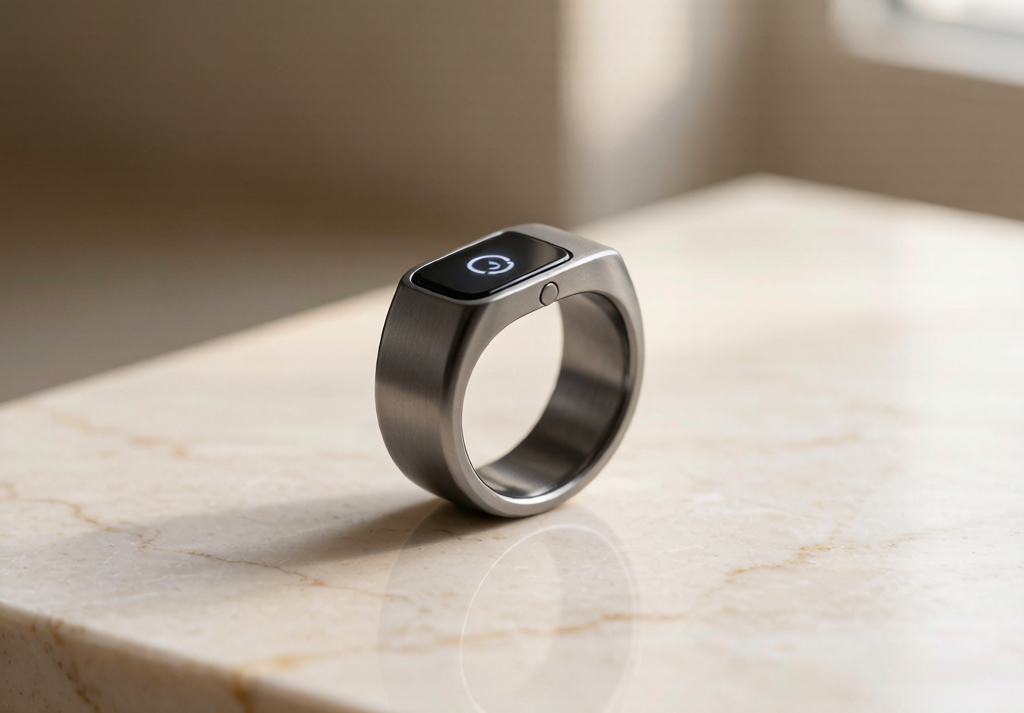
We have been wearing smartwatches on and off for years, and every time we took one off, the reason was the same: too bulky, too many notifications, and too expensive to keep paying for features we barely used. Then we discovered RingConn, and it changed how we think about wearable health tracking. Instead of a screen on your wrist demanding attention, it is a quiet ring on your finger that collects data in the background and lets you review it when you actually have time. If you have been curious about smart rings but hesitant about the price tags on brands like Oura, here is why RingConn smart ring health tracking deserves a serious look.
No Subscription, No Strings
The single biggest reason we chose RingConn over every other smart ring on the market is the pricing model. You pay once for the hardware, and every feature in the app is included forever. No monthly fee, no paywalled sleep score, no premium tier that locks away the data you already collected with sensors on your own body. Oura charges $5.99 per month on top of a $349 to $499 hardware purchase, which means over three years of ownership you are paying more in subscription fees than the entire cost of a RingConn. The math is simple, and for anyone who resents the subscription creep that has taken over every corner of consumer tech, RingConn is the brand that drew a line. The Gen 2 Air starts at $199, the Gen 2 sits at $299 with FDA-cleared sleep apnea detection, and the new Gen 3 launched at $349 with vascular health trend insights and smart vibration alerts. Every model, every feature, no recurring cost.
Health Tracking That Actually Matters Day to Day
The second reason we keep recommending RingConn is the depth of data it collects without you ever having to think about it. The ring monitors heart rate, heart rate variability, blood oxygen saturation, skin temperature, respiratory rate, and sleep stages continuously throughout the day and night. The sleep tracking is genuinely impressive: it breaks down your night into light, deep, and REM sleep, tracks nighttime heart rate variability and blood oxygen dips, and produces a sleep score that correlates closely with how we actually feel in the morning. On the Gen 2, the FDA-cleared sleep apnea monitoring feature flags potential breathing disruptions using AHI approximation from oxygen drops and heart rate patterns, something no other consumer smart ring offers at this price point. The stress score, derived from HRV data, has helped us notice patterns we would have otherwise ignored, like how our physiological stress spikes on days when we skip breakfast and mainline coffee instead. The cycle tracking uses skin temperature trends to predict periods with surprising accuracy, and the activity tracking covers steps, calories, and workout modes without pretending to be a full fitness watch. Battery life ranges from 10 days on the Gen 2 Air to 14 days on the Gen 3, which means we charge ours roughly once every week and a half and never have to factor it into our daily routine.
Final Thoughts
If you want comprehensive health tracking without a monthly subscription, RingConn is the smart ring we recommend to everyone who asks. Start with the Gen 2 Air at $199 if you want the essentials, or go straight to the Gen 2 at $299 if sleep apnea monitoring matters to you. The ring is lightweight at 2 to 4 grams depending on model and size, waterproof to 100 meters, and comes with a free sizing kit so you get the fit right before committing. It is not a replacement for a sports watch if you need GPS and real-time workout data, but for sleep, recovery, stress, and everyday wellness tracking, it does 90 percent of what the expensive options do at a fraction of the long-term cost.